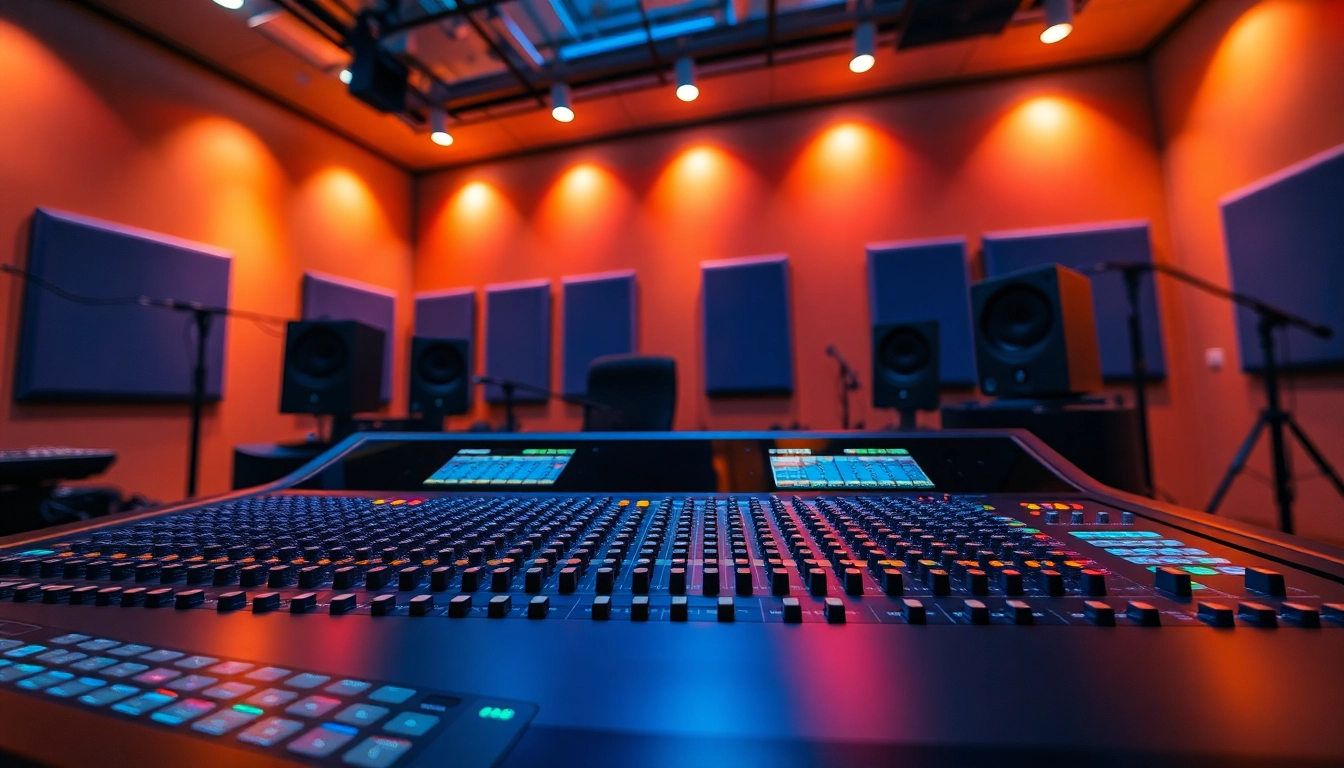
Overview of the Q388 Digital Mixing Console
The Q388 Digital Mixing Console represents a significant advancement in audio technology, tailored for professionals in live sound, studio recording, and broadcasting. By integrating sophisticated features with user-friendly controls, the Q388 aims to empower sound engineers and musicians alike. This article delves deep into the capabilities and specifications of the Q388, exploring why it has become a favorite among audio professionals. For those interested in learning more about the innovative capabilities of the Q388, visit Q388 to explore additional resources.
What is the Q388 and Its Key Features?
The Q388 is not just another digital mixer; it is a powerhouse designed to meet the intricate demands of modern sound mixing. It boasts a range of features such as:
- High Channel Count: Offering up to 128 inputs and 64 buses, allowing for extensive routing options.
- Advanced Mix Engine: Equipped with a next-generation processing engine that ensures high-quality sound output.
- Touchscreen Interface: Featuring multiple high-resolution touchscreens for intuitive control.
- Flexible Connectivity: Includes both analog and digital inputs, facilitating seamless integration with various audio sources.
These features combine to create a versatile mixing environment suitable for a wide array of applications, making the Q388 a compelling choice for audio professionals.
How the Q388 Stands Out in the Market
In a crowded marketplace filled with digital mixing consoles, the Q388 distinguishes itself through its combination of versatility, reliability, and cutting-edge technology. While competitors might offer similar specifications, the Q388’s unique set of features makes it particularly appealing for live performance settings. Its robust build quality and exceptional audio fidelity cater to the rigors of on-the-road use, providing sound engineers with peace of mind. Additionally, the intuitive layout of the Q388 minimizes the learning curve for new users, making it an accessible choice for beginners and veterans alike.
User Experience: Why Professionals Choose Q388?
The user experience with the Q388 is highly regarded due to its ergonomic design and workflow efficiency. Professionals appreciate:
- Customizability: Users can tailor their layouts and settings to best suit their workflow, enhancing efficiency during performances.
- Reliability: The Q388’s robust performance in high-pressure situations, such as live concerts, ensures that sound quality remains consistent.
- Community and Support: A growing community of users contributes to a rich ecosystem of knowledge-sharing, training, and support, which is invaluable for troubleshooting and optimization.
Technical Specifications of the Q388
Analyzing Input Channels and Output Buses
Understanding the flow of audio is crucial for any sound engineer, and the Q388 excels in this area. With 128 input channels and the ability to configure 64 output buses, audio professionals can manage complex setups with ease. This flexibility allows for:
- Seamless Multi-Tracking: Capture live performances with multiple sources efficiently.
- Custom Routing: Direct audio signals where they are needed, whether to speakers, recording devices, or monitors.
Such capabilities are vital for both studio recordings and live events, showcasing the Q388’s versatility.
Understanding the Mix Engine and Processing Power
At the heart of the Q388 lies its advanced mix engine, which utilizes cutting-edge technology to provide immense processing power. With seventh-generation FPGA devices, the mixer can handle complex audio processing without compromising quality. Key aspects include:
- Low Latency: Essential for live settings where timing is critical.
- High-Resolution Audio: Supports high-definition sound, ensuring a pristine audio output.
This processing capability not only enhances the sound quality but also provides users with a more immersive mixing experience.
Connectivity Options for Maximum Flexibility
The Q388 excels in connectivity, providing numerous options for both analog and digital inputs. This includes:
- XLR and TRS Inputs: Standard connections allow for easy integration of microphones and instruments.
- Digital Interfaces: Including Dante and MADI connections, which facilitate high-quality digital audio transmission.
- Remote Control: Ability to control the mixer remotely via smartphones or tablets, enhancing user accessibility.
This broad spectrum of connectivity options is a significant advantage for sound engineers working in diverse environments.
Applications of the Q388 in Various Industries
Live Sound: Enhancing Concert Experiences with Q388
In live sound applications, the Q388 has become synonymous with top-tier performances. Its high channel count and robust processing power allow engineers to manage elaborate setups effortlessly. Some prime uses include:
- Concerts and Festivals: Providing balanced sound across multiple stages and setups.
- Theater Productions: Ensuring every dialogue and musical note is crystal clear, vital for audience engagement.
Studio Recording: The Q388 as a Studio Workhorse
In the studio, the Q388’s precision and flexibility make it a valuable tool for recording artists and producers. Its ability to handle multiple inputs simultaneously means that:
- Layering Tracks: Multiple instruments can be recorded at once, streamlining the production process.
- Sound Design: Complex soundscapes and effects can be easily manipulated via the intuitive interface.
This adaptability solidifies the Q388’s role as a workhorse in any recording environment.
Broadcasting: Ensuring Quality Sound in Media Production
For broadcasting applications, precision audio is non-negotiable. The Q388 provides the quality and reliability needed for:
- Live Broadcasts: Ensuring clear and consistent audio for television and radio.
- Podcasting: Offering versatile options for recording and editing high-quality sound.
This level of adaptability makes the Q388 a smart choice for media professionals seeking excellence in audio production.
Tips for Optimizing Performance with Q388
Essential Settings for Different Environments
To achieve optimal sound quality with the Q388, it’s essential to tailor settings for different environments. Users should consider:
- Room Acoustics: Adjusting EQ settings based on the acoustics of the venue helps in achieving a balanced sound.
- Monitor Levels: Setting appropriate monitor levels to prevent feedback and ensure clarity for performers.
Understanding these factors can significantly enhance the overall sound quality during performances.
Common User Challenges and Solutions
As with any complex technology, users may encounter challenges when operating the Q388. Common issues include:
- Signal Routing Errors: Often, confusion arises with routing signals to the correct outputs. Double-checking configurations can mitigate this.
- Software Updates: Keeping the console’s firmware up to date is crucial for optimal performance and new features.
By proactively addressing these challenges, users can ensure a smoother experience and maximize their equipment’s potential.
Maintenance Tips to Ensure Longevity
Proper maintenance is key to the longevity of the Q388. Consider these tips:
- Regular Cleaning: Keeping the console’s surfaces clean and free from dust ensures functionality.
- Careful Handling: Avoiding rough treatment during transport or setup can prevent lasting damage.
Implementing these maintenance practices can prolong the lifespan of the Q388 and enhance its reliability.
Future Trends and Innovations for Q388 Users in 2025
Predicting the Next Generation of Digital Mixers
As we move towards 2025, the landscape of digital mixers is evolving rapidly. Future innovations may include:
- AI Integration: Potentially incorporating AI for automated mixing adjustments based on real-time analysis of sound.
- Enhanced Mobile Connectivity: Even greater remote control capabilities and integration with mobile devices for flexibility.
These advancements will likely enhance the functionality and usability of consoles like the Q388.
Evolving User Needs and Technological Adaptations
As user needs continue to evolve, the Q388 must adapt. Expect to see:
- Increased Demand for Collaboration: Features that enable multiple users to collaborate in real-time across different locations.
- Focus on Sustainability: More energy-efficient designs and eco-friendly manufacturing processes.
Such adaptations will be crucial in maintaining relevance in a competitive market.
How Q388 Fits into the Future Landscape of Music Production
The Q388 is positioned to remain a leader in the digital mixing console market, given its robust feature set and adaptability. Its ongoing evolution with emerging trends will ensure that it meets the future needs of sound professionals. As technology continues to advance, those interested in high-quality sound production will find value in the Q388 and its potential for innovation.
To explore more about how the Q388 can enhance your audio experiences, visit Đá gà Q388.