Understanding Sports Broadcasting
Definition and Importance of Sports Broadcasting
Sports broadcasting refers to the distribution of video content of sporting events to a wide audience. This could be through traditional television, radio, or digital platforms. The importance of sports broadcasting lies in its ability to connect fans to their favorite teams and athletes, fostering a shared experience that transcends geographic barriers. Broadcasters play a vital role in shaping the narrative surrounding sports, enhancing viewer engagement through commentary, analysis, and visual storytelling. Given the global love for sports, effective Sports Broadcasting significantly boosts fan interaction, economic opportunities, and even cultural exchanges.
History and Evolution of Sports Broadcasting
The journey of sports broadcasting began in the early 20th century with radio broadcasts of major sporting events. The first-ever live sports broadcast occurred in 1921 when a boxing match was transmitted across the airwaves. This initial venture set the stage for television broadcasts in the 1930s, which began capturing the visual excitement of sports. Over the decades, technological advancements like color broadcasting, satellite transmission, and high-definition video transformed how sports content was consumed. The digital age introduced streaming services, social media, and mobile apps, further revolutionizing accessibility and interaction with sports content.
Key Players in Sports Broadcasting
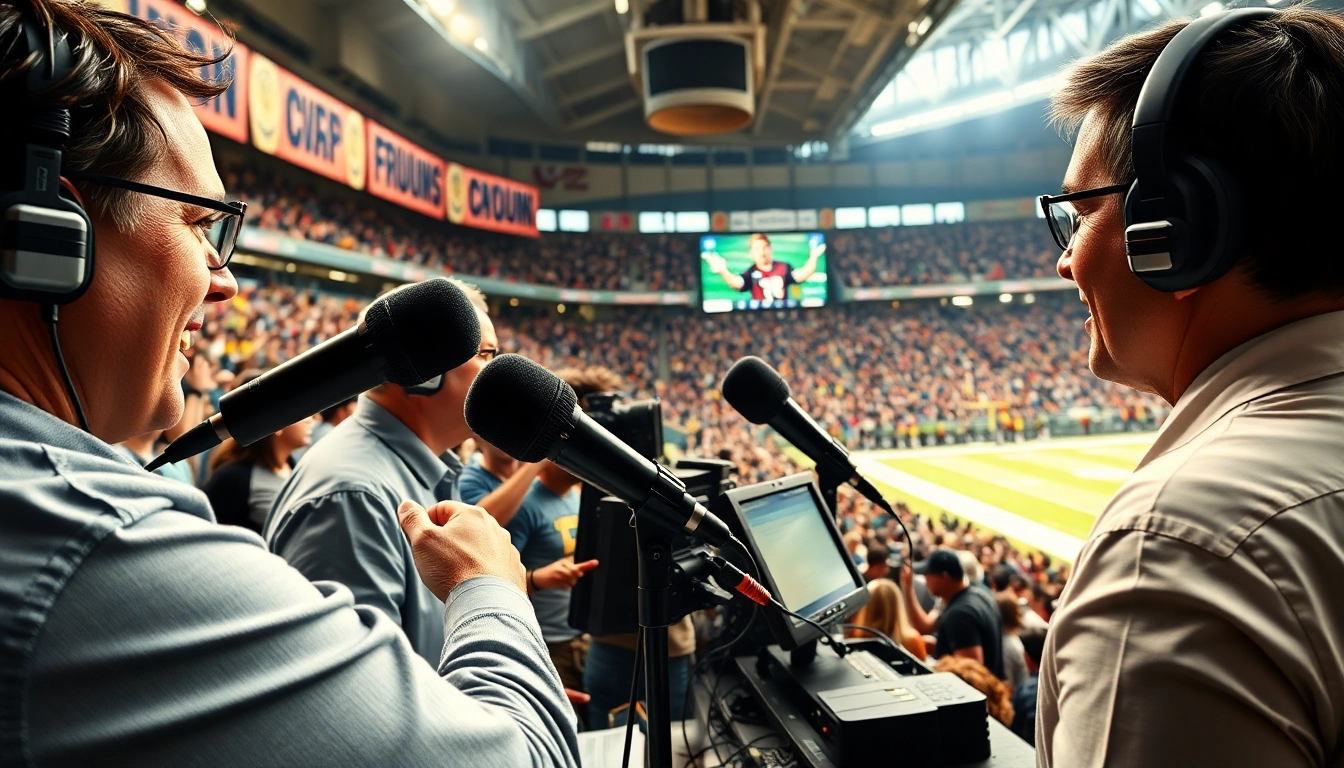
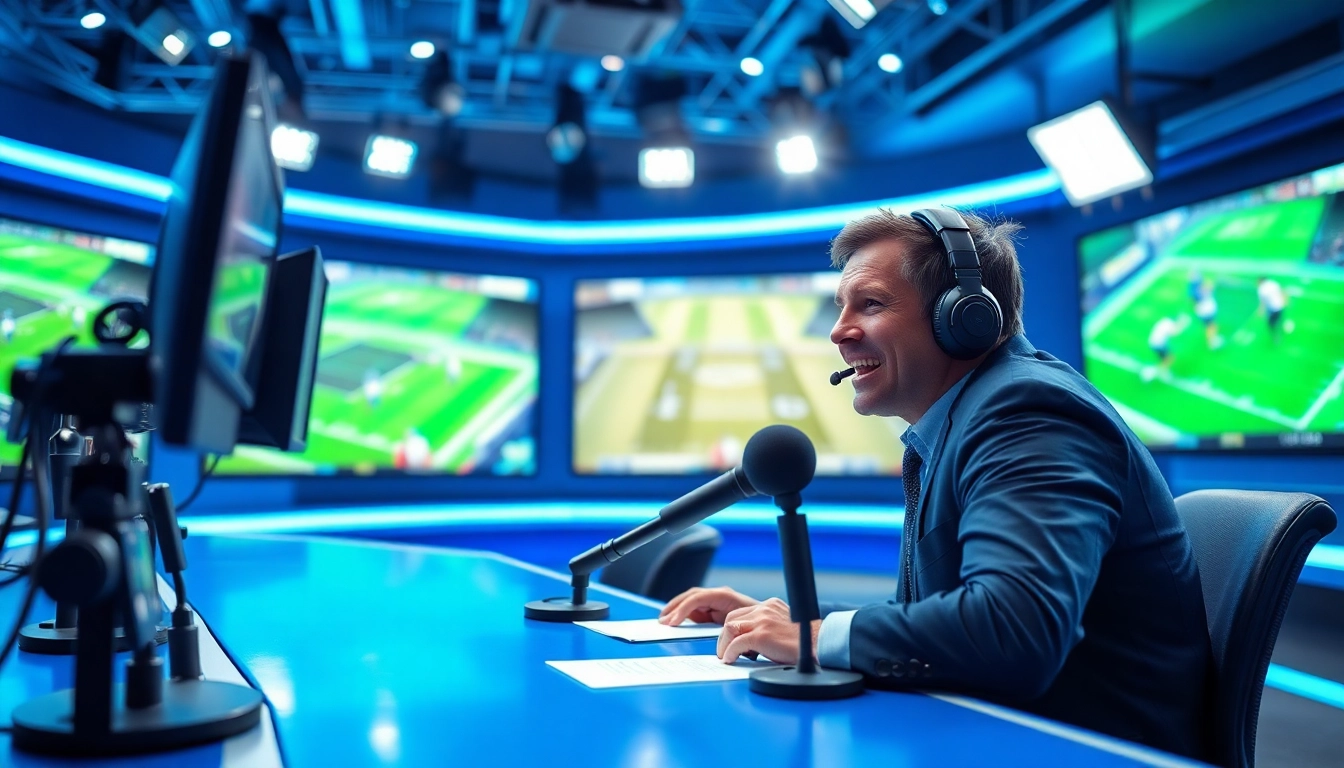
The realm of sports broadcasting comprises a diverse array of key players, each contributing to the overall experience. Broadcasters like television networks, radio stations, and online platforms form the backbone. Within these organizations, roles like sports commentators, analysts, producers, and directors are critical. Each individual is tasked with specific responsibilities that contribute to the seamless delivery of sports content. For example, commentators provide live analysis and storytelling, while producers ensure smooth logistical operations during broadcasts. Collaboratively, these professionals create captivating sports narratives that engage audiences.
Core Techniques in Sports Broadcasting
Essential Equipment for Effective Broadcasting
To produce high-quality sports broadcasts, essential equipment includes cameras, microphones, broadcasting software, and mixing consoles. High-definition cameras capture clear visuals, while specialized microphones enhance audio quality by picking up the nuances of commentary and crowd noise. Broadcasting software streamlines the integration of live feeds, graphics, and pre-recorded segments, enabling producers to run a polished show. Additionally, mobile units and drones have emerged as essential tools for capturing unique perspectives of events, enriching the viewer’s experience.
Commentary Techniques for Engaging Viewers
Effective commentary is crucial for keeping viewers engaged during sports broadcasts. Commentators use a variety of techniques, such as highlighting statistics, establishing narratives, and connecting with the audience on an emotional level. Using anecdotes can create relatable moments, while expert analysis adds depth to the broadcast. Furthermore, mastering pacing and tone ensures that the commentary complements the intensity of the action on screen. Engaging viewers also means incorporating diverse perspectives, such as bringing in guest analysts or fan interactions, to enrich the overall viewing experience.
Visual Storytelling in Sports Broadcasting
Visual storytelling is a powerful tool in sports broadcasting, using graphics, on-screen statistics, and replay technology to enhance narratives. Graphics can illustrate players’ stats, historical data, or tactical insights that enrich viewers’ comprehension. Replay technology allows viewers to witness key moments from multiple angles, adding drama and insight. Effective use of visual elements can turn a simple broadcast into an immersive experience, drawing viewers into the heart of the action. Creative transitions and thematic visual motifs can also enhance storytelling, keeping audiences visually captivated.
Current Trends Shaping Sports Broadcasting
Impact of Social Media on Sports Coverage
Social media has fundamentally altered the landscape of sports coverage. Platforms like Twitter, Instagram, and TikTok enable real-time interaction between fans, teams, and broadcasters. Social media not only provides instant updates and highlights but also allows for fan participation through polls, live chats, and user-generated content. Moreover, broadcasters leverage social media to promote upcoming events, share exclusive behind-the-scenes content, and engage with audiences in meaningful ways. This shift emphasizes the need for broadcasters to create more interactive and community-driven content, enhancing overall viewer loyalty.
Integration of Augmented Reality in Broadcasting
The emergence of augmented reality (AR) in sports broadcasting opens new avenues for engagement. AR enhances live broadcasts by overlaying digital elements, such as player stats and game analysis, onto the screen in real time. This technology creates a more interactive viewing experience, allowing fans to visualize crucial information without taking their focus away from the action. In addition, AR can be utilized for post-event highlights, offering immersive recaps that captivate audiences. As technology continues to advance, AR is poised to become a staple component in how sports content is presented.
Shifts Towards Streaming and Digital Platforms
The shift towards streaming and digital platforms is reshaping how viewers consume sports content. Traditional cable broadcasts are declining, with many fans opting for streaming services offering more flexible, on-demand viewing options. Platforms like Amazon Prime and Apple TV have entered the sports realm, presenting exclusive content and premium subscription models. This shift not only changes viewer habits but also influences how broadcasters package and deliver content, leading to innovative formats and partnerships tailored to engage digital audiences effectively.
Challenges in the Sports Broadcasting Industry
Dealing with Technical Issues During Live Broadcasts
Technical difficulties are an ever-present challenge in live sports broadcasting. Issues such as equipment malfunctions, signal loss, or production errors can disrupt a broadcast and frustrate viewers. To address these challenges, broadcasters invest in robust contingency plans, including backup equipment and alternative streaming methods. Additionally, extensive pre-event testing allows teams to identify potential problems and rectify them before going live, ensuring a smooth viewing experience.
Balancing Viewer Engagement with Advertising
Striking a balance between viewer engagement and advertising is crucial in sports broadcasting. While advertisements are essential for generating revenue, excessive interruptions can alienate fans. Many broadcasters are now adopting more integrated advertising approaches, such as product placements and branded content, that feel more organic. Engaging storytelling during ad segments can also retain viewer interest, ensuring that advertisements complement rather than detract from the viewing experience.
The Future of Broadcasting Rights and Exclusivity
The landscape of broadcasting rights is continually evolving, with exclusive rights agreements becoming increasingly lucrative for media companies. However, this raises concerns about accessibility and viewer choice. Many organizations are advocating for more inclusive broadcasting rights, emphasizing the necessity for diverse content access across various platforms. This movement aims to strike a balance between exclusive partnerships that benefit broadcasters and ensuring fans can experience their favorite sports, regardless of their platforms.
Measuring Success in Sports Broadcasting
Key Performance Indicators for Broadcasters
Measuring success in sports broadcasting entails tracking several key performance indicators (KPIs). Viewer ratings, total audience reach, and share of the viewing market provide insights into broadcasting effectiveness. Additionally, engagement metrics, such as social media interactions and audience feedback, are invaluable in assessing the overall impact of broadcasts. By analyzing these KPIs, broadcasters can adjust their strategies to better align with viewer preferences and enhance future broadcasts.
Viewer Feedback and Engagement Metrics
Gathering viewer feedback is essential for continuous improvement in sports broadcasting. Surveys, social media comments, and direct audience engagement provide insights into viewer experiences and expectations. Monitoring engagement metrics, such as likes, shares, and comments, can help broadcasters gauge audience sentiment and identify areas for enhancement. Engaging with viewers and adapting based on their feedback fosters loyalty and builds a committed fan base.
Adapting to Audience Preferences Through Analytics
Data analytics has become a fundamental aspect of sports broadcasting, allowing broadcasters to make informed decisions based on audience behavior. By analyzing viewing patterns and preferences, broadcasters can tailor their content, scheduling, and promotional strategies to align with what viewers want. Incorporating data-driven insights into programming increases viewer satisfaction and retention, ultimately leading to higher ratings and revenue.
FAQs
What are the key roles in sports broadcasting?
Key roles include sports commentators, producers, camera operators, and analysts who work together to deliver engaging content.
What equipment is essential for sports broadcasting?
Essential equipment includes cameras, microphones, broadcasting software, and mixing consoles to ensure high-quality output.
How has social media influenced sports broadcasting?
Social media has enhanced viewer engagement and provided real-time updates, allowing broadcasters to connect better with audiences.
What challenges do broadcasters face in live events?
Broadcasters often encounter technical difficulties, tight schedules, and the need to manage viewer expectations during live events.
How is success measured in sports broadcasting?
Success is measured through ratings, audience engagement, social media interaction, and advertising revenue metrics.