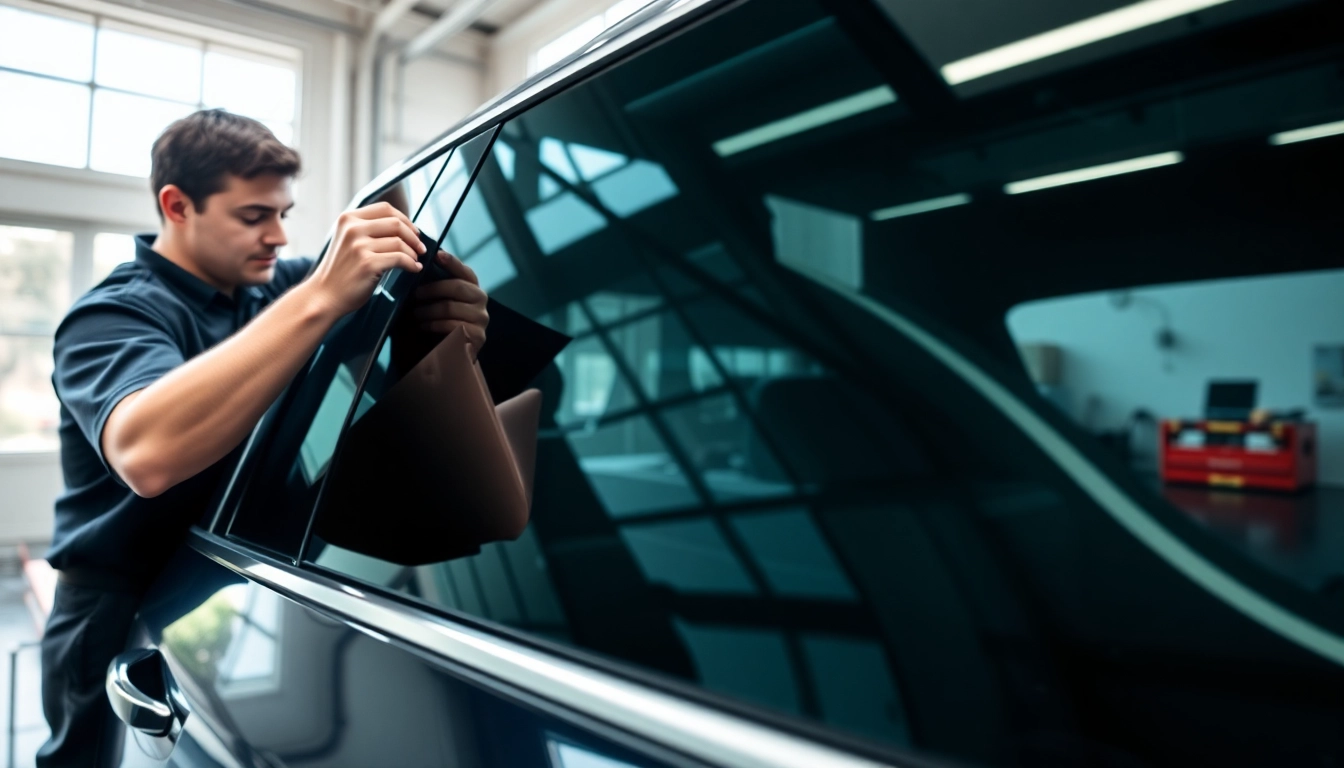
Understanding Window Tint Options
When considering the installation of window tint for your vehicle, it’s essential to understand the variety of options available. Getting the right tint not only enhances the aesthetic appeal of your vehicle but also provides practical benefits, such as UV protection and increased privacy. With the growing search interest for window tint near me, understanding the different types of tints and their advantages can guide you in making an informed decision.
Types of Window Tint Available
There are several types of window tint products available on the market, each with distinct characteristics and benefits:
- Dyed Window Tint: This is one of the most affordable options, where dye is placed between an adhesive layer and the polyester film. It blocks sunlight and offers some privacy, but it may not provide high heat rejection.
- Metalized Window Tint: Incorporating tiny metallic particles, this tint enhances durability and provides better heat rejection than dyed films. However, it can sometimes interfere with radio signals.
- Carbon Window Tint: This type uses carbon particles to provide superior UV protection without the shiny appearance of metallic films. It also helps to maintain interior temperature, making it energy efficient.
- Ceramic Window Tint: This high-end option is known for its advanced technology. It rejects heat and UV rays exceptionally well while allowing visible light to pass through, making it a favorite for those who are serious about protection and comfort.
- Crystalline Window Tint: Unlike other tints that darken windows, crystalline films keep a clear look while blocking a significant amount of UV rays and heat. This option is ideal for those seeking visibility along with maximum protection.
Benefits of Automotive Window Tint
Installing window tint in your car offers numerous benefits beyond aesthetics. Here are some key advantages:
- UV Protection: Window tints act as a shield against harmful UV rays, protecting both passengers and your vehicle’s interior.
- Reduced Glare: Tint minimizes the reflection of sunlight and headlights, increasing visibility and comfort when driving.
- Increased Privacy: Tinted windows obscure the interior of your vehicle, safeguarding your belongings from prying eyes.
- Enhanced Temperature Control: Window tint reduces the amount of heat entering your vehicle, which can lead to significant energy savings if you use air conditioning.
- Improved Appearance: A tinted vehicle often looks more polished and stylish, thereby increasing its overall appeal.
Legal Regulations for Window Tinting
Before you choose a window tint, it’s crucial to be aware of local laws and regulations regarding window tinting. Each state or municipality may have specific laws about how dark or reflective your tint can be. Generally, these laws dictate the Visible Light Transmission (VLT) percentage allowed for different windows in a vehicle. Make sure to do thorough research or consult with a professional to ensure compliance to avoid fines or the need for reinstallation.
How to Choose the Right Window Tint Near Me
Finding the perfect window tint includes not only selecting the best type but also considering factors unique to your needs and location. Here are some guiding principles:
Factors to Consider When Selecting Tint
When selecting window tint, think about these essential factors:
- Purpose: Are you looking for mainly UV protection, heat rejection, aesthetic appeal, or privacy? Define your primary motivation before shopping.
- Legal Restrictions: Investigate the legal restrictions in your state regarding window tint darkness and reflectivity to select a legal option.
- Budget: Compare costs not only for the tint film but also for the installation. Remember, investing in high-quality materials can save you money in the long run.
- Climate: The climate you live in can determine which tint reflects heat most effectively. For example, those in hotter climates may prefer a lighter tint that blocks heat and UV rays without compromising visibility.
Assessing Quality and Durability
The longevity and reliability of window tint will directly correlate to the type of film used and the quality of its installation. Here’s how to assess quality:
- Warranty: Look for a warranty of at least five years or longer, which is a good indicator of product durability.
- Material Type: Ceramic films and high-quality carbon films typically offer superior durability and protection compared to dyed films.
- Reviews and Recommendations: Seek reviews from previous customers to gauge long-term satisfaction with both the product and the installation.
Finding Certified Installers
For the best results, it’s crucial to choose certified professionals for your window tint installation. Here are several ways to locate reliable installers nearby:
- Online Research: Use search engines to find local window tinting services and filter through customer reviews.
- Social Media and Forums: Platforms like Facebook and specialized automotive forums can provide recommendations and insights from real customers.
- Professional Organizations: Certifications from established auto film manufacturers can indicate that the installer follows industry standards.
DIY vs Professional Window Tint Installation
Deciding between a DIY installation and hiring professionals can be challenging. Let’s explore both approaches.
Pros and Cons of DIY Installation
While DIY window tinting can save you money, it also has its downsides:
- Pros: Cost-effective, flexible installation time, and the satisfaction of completing a project on your own.
- Cons: High risk of bubbles, peeling, and more significant long-term costs due to potential errors.
Why Professional Installation is Worth It
Hiring a professional comes with numerous advantages:
- Expertise: Professionals have the skills to ensure a clean and flawless installation.
- Quality Assurance: Many certified installers provide warranties, offering protection against defects.
- Time-Efficiency: Professionals can get the job done much quicker than most DIY projects, as they have the right tools and experience.
Cost Comparisons Between DIY and Professional
When weighing the costs:
- DIY Costs: Materials can vary from $50 to $200 depending on the film quality, but installation time and the potential need for replacement can increase overall expenses.
- Professional Costs: Professional installation often ranges from $150 to $800 based on the vehicle size and film type, yet ensures durability and compliance with legal regulations.
Maintaining Your Window Tint
To keep your window tint looking and performing its best, proper maintenance is crucial. Here are best practices to follow after installation:
Best Practices for Care and Cleaning
Adopting the right cleaning techniques can extend the life of your tint:
- Wait Before Cleaning: Avoid cleaning windows for about 30 days after installation to allow the tint to adhere properly.
- Gentle Cleaning Products: Use a soft sponge or microfiber cloth along with ammonia-free cleaners to avoid damaging the tint.
- Avoid Scratching: Be cautious when using scrapers or abrasive materials that could scratch the film.
Common Issues and How to Address Them
Being knowledgeable about common problems can help you act quickly:
- Bubbles: If bubbles appear, they may need to be removed and reapplied. Contact an expert if you’re unsure.
- Peeling Edges: If edges start to come off, professional reapplication is usually necessary to prevent further peeling.
- Discoloration: If the tint begins to fade, it may indicate a low-quality product. Consider having it replaced professionally.
When to Seek Professional Help
If you notice persistent issues like bubbling, peeling, or discoloration, it may be time to consult a professional. Most reputable installers will offer services for repairs and reapplications, ensuring that your tint remains up to standard.
FAQs About Window Tint Near Me
How long does window tint last?
High-quality window tint can last between 5 to 15 years, depending on product quality and installation.
Is window tinting legal in my area?
Legal restrictions on window tint vary; consult local laws or regulations regarding permissible tint levels.
Can I remove window tint myself?
Yes, but removing window tint can be tricky and may be best handled by a professional to avoid damage.
What are the benefits of window tint?
Window tint offers UV protection, reduced glare, enhanced privacy, and improved temperature control inside your vehicle.
How do I find the best window tint near me?
Research local providers, read reviews, and assess certifications to find trusted window tint installers nearby.